










A strong online presence for your Business often shapes a customer’s opinion before they call, visit, or buy.
Additionally, they compare products, read reviews, check social profiles, and look for proof that a company is credible.
Businesses that are hard to find online can lose ready-to-buy customers. They may face clearer websites, better reviews, and complete business listings from competitors.
A weak or outdated profile may suggest that the company is less active, less trusted, or less relevant.
For modern companies, online presence for businesses is a growth asset.
Additionally, it improves discoverability, builds trust, supports customer relationships, expands market reach, and creates measurable opportunities through digital marketing for businesses.
A Strong Online Presence Makes Your Business Easier to Find
Search engines, maps, social platforms, directories, and business websites all help customers find a company. Together, they can support local visibility in one service area or reach buyers across several countries.
Search Visibility Captures High-Intent Customers
Customers may search for a product, service, problem, brand, or local provider. Keyword research helps you match content to those needs and separate informational searches from purchase-ready searches.
Create useful service pages, product pages, location pages, and educational content. Improve page titles, headings, URLs, internal links, and meta descriptions. Track impressions, rankings, click-through rates, calls, forms, and sales with Google Search Console and Google Analytics.
Paid search can reach buyers quickly, while organic search builds lasting visibility. Branded searches also matter because people often research a company again before making contact.
Local Listings Turn Nearby Searches Into Store Visits
A complete Google Business Profile helps local customers find your address, phone number, hours, services, photos, and directions. Accurate map listings, directory profiles, and location-based pages support local SEO and make it easier for nearby buyers to take action.
Google/Ipsos research published in 2016 found that 76% of people who searched on a smartphone for something nearby visited a business within 24 hours, while 28% of those searches led to a purchase. Claim and verify your profile, keep every detail current, answer questions, add recent photos, and build consistent citations across relevant directories.
Consistent Branding Improves Digital Recognition
Use the same business name, address, phone number, URL, logo, colors, tone, and key message across every channel. Basic brand guidelines prevent confusing changes between your website, social profiles, email campaigns, ads, and listings.
Review branded search results from time to time. This can reveal old addresses, incorrect profiles, broken links, or outdated descriptions that weaken brand visibility and online reputation.
Digital Credibility Helps Customers Choose You With Confidence
Customers use your website, reviews, social profiles, content, and security signals to judge whether your business is legitimate. Clear information reduces doubt before a visitor calls, books, or submits payment details.
A Professional Website Becomes Your Digital Trust Center
Your website is the main online asset you control. It should state what you offer, who you serve, what makes you different, and how customers can take the next step.
Include contact details, service areas, pricing guidance, policies, FAQs, testimonials, case studies, certifications, or team information where useful. A mobile-friendly, fast, accessible site with HTTPS also gives visitors a safer and easier experience.
Reviews and Testimonials Reduce Purchase Risk
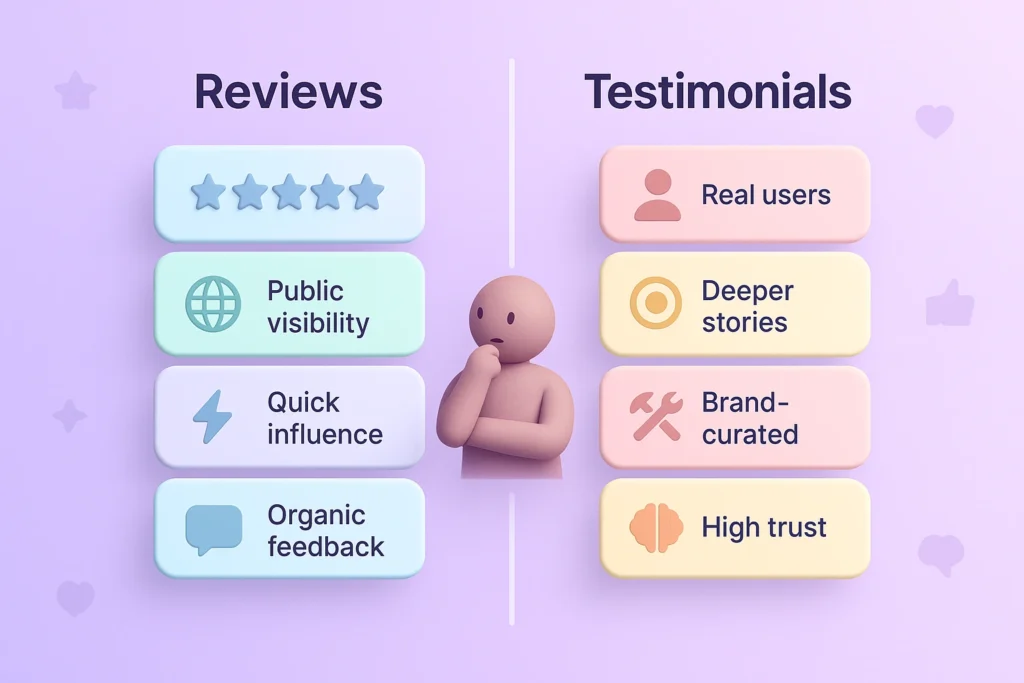
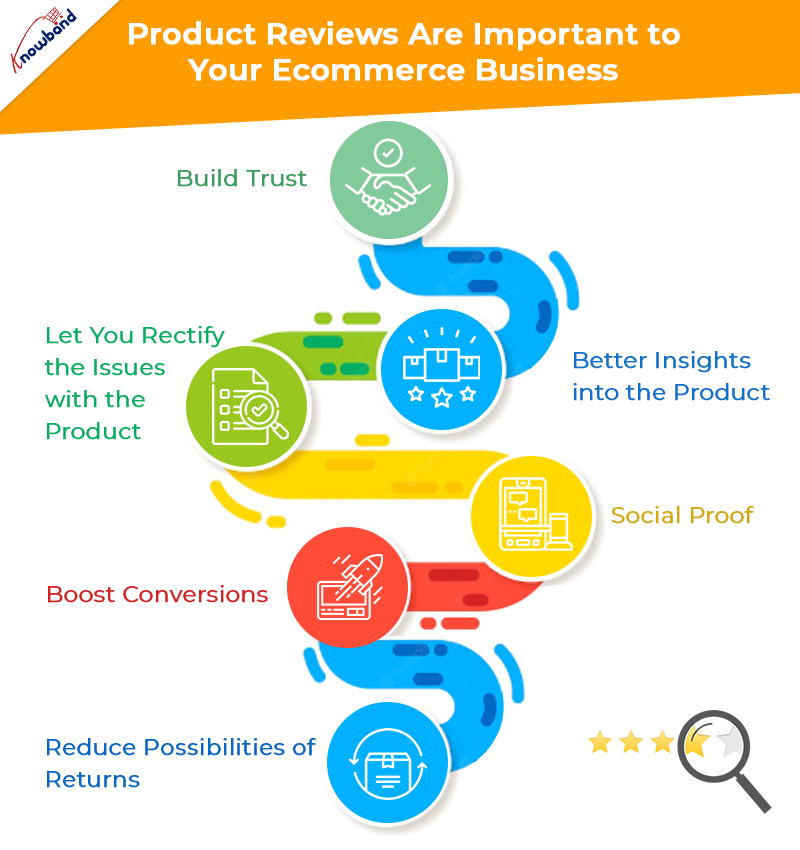
Reviews help people assess unfamiliar brands, local providers, costly products, and personal services. Ask satisfied customers for feedback at a suitable point after delivery, then make the process easy with a direct review link.
Respond to positive and negative reviews with a calm, helpful tone. Use verified testimonials and case studies on the pages where buyers need reassurance, and never publish fake reviews or misleading claims.
Helpful Content Demonstrates Expertise Before the Sale
Buying guides, comparison pages, tutorials, FAQs, videos, webinars, podcasts, calculators, checklists, and original research can answer questions before a sales conversation. Build these resources around real customer questions and support requests.
Cite reliable sources, update facts, and add a clear next step. Refresh important content when products, laws, prices, or customer needs change.
Digital Channels Create More Ways to Reach and Retain Customers
A connected online presence supports awareness, sales, service, and repeat business. Each channel can play a different role while sending people toward useful, consistent information.
Social Media Expands Reach Beyond Existing Customers
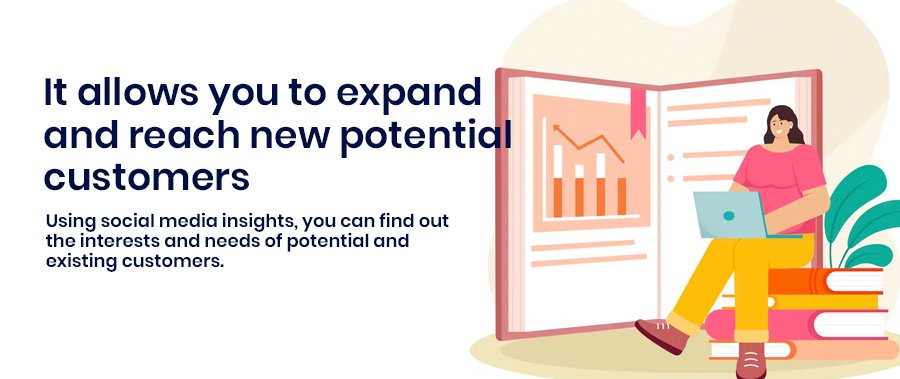
Choose social platforms based on audience habits and business goals. Mix educational posts with behind-the-scenes content, user stories, product updates, promotions, and community conversations.
Use formats that fit each platform, such as short videos, stories, live sessions, or carousels. Watch comments, mentions, shares, saves, and referral traffic instead of judging performance by follower count alone.
Email Marketing Builds an Owned Customer Relationship

An email list gives you a direct way to communicate without depending fully on social algorithms or rising ad costs. Offer a useful reason to subscribe, such as a guide, discount, consultation, or product update.
Segment subscribers by interest, location, behavior, or purchase history. Welcome emails, educational messages, abandoned-cart reminders, and post-purchase follow-ups can support sales and retention. Get consent and follow applicable privacy and email laws.
Digital Customer Service Strengthens Loyalty
Live chat, messaging, social support, knowledge bases, and self-service tools make help easier to access. Publish answers to common questions and state realistic response times.
Route complex issues to the right employee and track response times, resolution rates, satisfaction scores, and repeated complaints. These patterns can reveal product or process problems that need attention.
Online Marketing Expands Growth Beyond Geographic Limits
Digital channels help businesses reach new audiences, test markets, generate leads, and sell beyond their usual service area. They also make it easier to adjust campaigns when customer behavior changes.
Digital Commerce Lets Customers Buy on Their Schedule
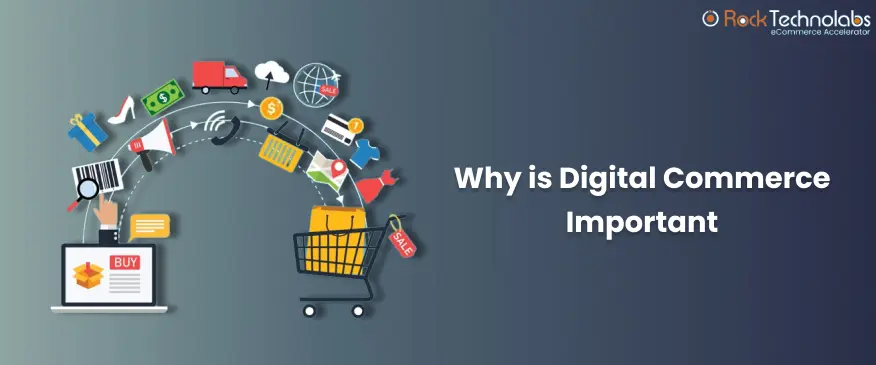
Websites, online stores, booking systems, subscriptions, marketplaces, and digital products let customers act when it suits them. Make product discovery, comparison, checkout, booking, or inquiry submission easy.
Show shipping, returns, cancellations, delivery, and payment details clearly. Reduce unnecessary form fields and checkout steps, then test the mobile buying process for usability and conversion performance.
Targeted Campaigns Improve Marketing Efficiency
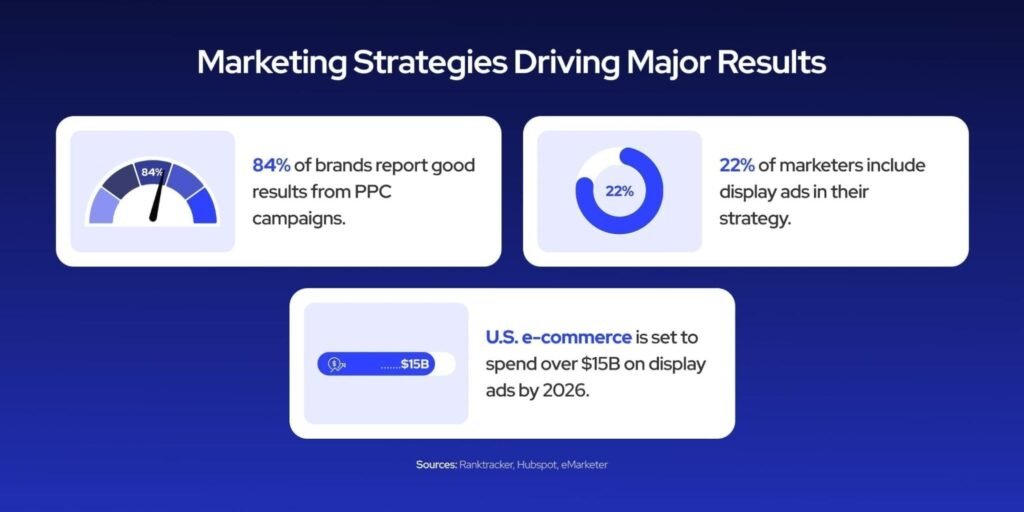
Search ads, social ads, sponsored content, retargeting, and segmented email can reach defined audiences with relevant offers. Set the campaign goal first, then choose the channel, audience, landing page, and message.
Test creative, offers, audiences, and calls to action. Measure cost per lead, customer acquisition cost, conversion rate, and return on ad spend rather than focusing only on clicks.
Analytics Turn Activity Into Business Decisions
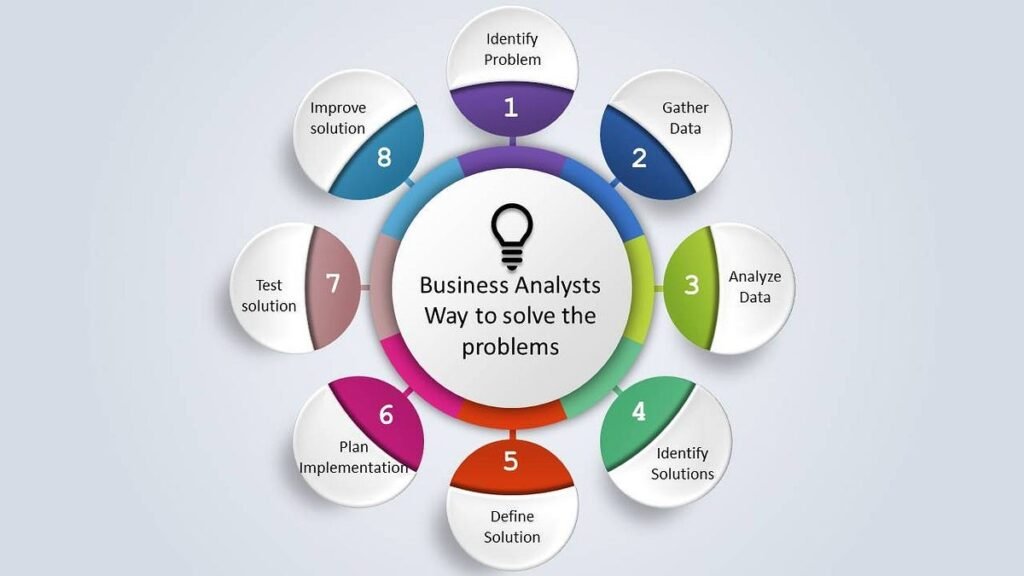
Set up tracking for calls, forms, purchases, bookings, downloads, and store visits when available. Compare traffic quality, conversion rates, and revenue by channel, while remembering that attribution tools do not show the full picture.
Benchmarks vary by industry, business model, traffic source, and conversion type. Review data regularly and connect marketing reports with sales or customer relationship systems.
A Strong Online Presence Protects the Business From Risk
Digital visibility also supports resilience, reputation management, customer expectations, and account security. Unmanaged profiles and single-channel strategies can leave a company exposed.
Owned Digital Assets Reduce Platform Dependence
Your website, email list, customer database, and content library are assets you control. Social profiles and marketplace listings are rented spaces that can change rules, reduce reach, or suspend accounts.
Back up website content and customer data where lawful. Avoid relying on one platform, keep administrator records current, use access controls, and maintain account recovery options.
Reputation Management Limits the Cost of Negative Feedback
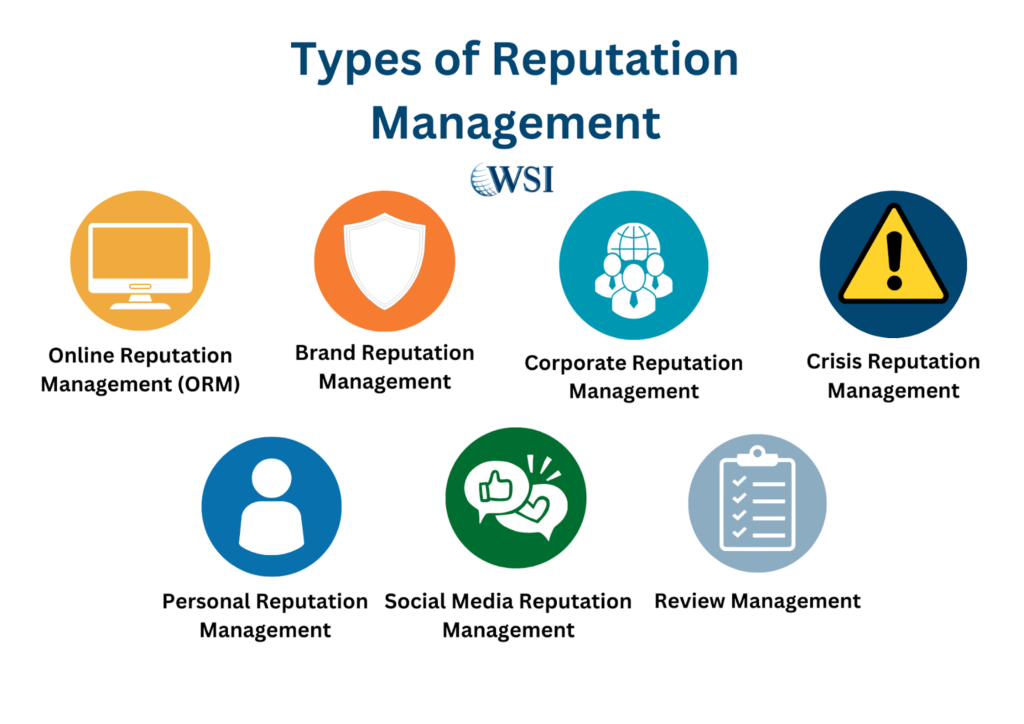
Monitor reviews, search results, social conversations, your company name, products, executives, and key services. A written response process helps staff handle complaints with speed and consistency.
Move sensitive discussions offline when needed, but address legitimate problems openly. Never manipulate reviews, create fake testimonials, or offer improper incentives for positive feedback. A clear branded search audit can help reveal gaps in your public search results.
Security and Privacy: Preserve Customer Trust
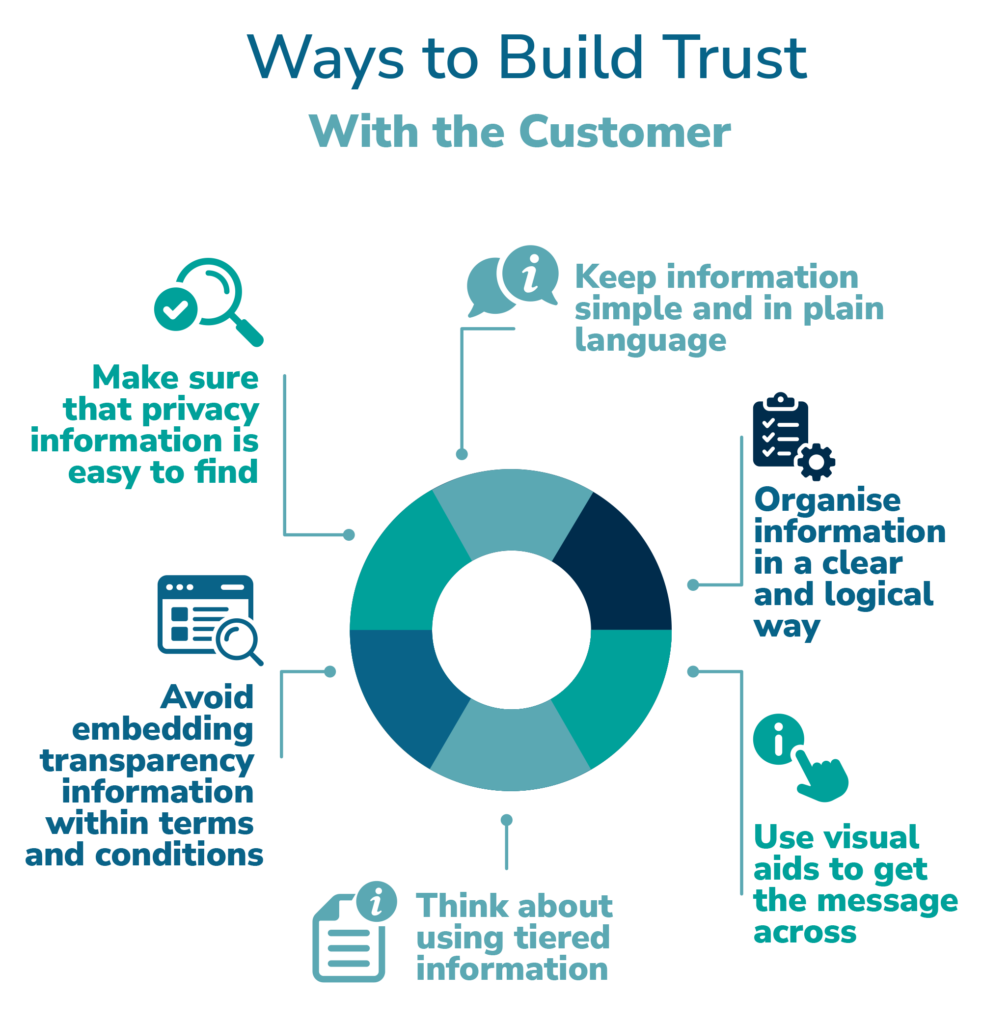
Keep website software, plugins, devices, and accounts updated. Use multi-factor authentication, strong password tools, and limited access to customer and marketing data.
Publish an accurate privacy policy and follow relevant data-protection rules. An incident-response plan should explain what to do if an account is compromised or customer data is exposed.
Turn a Strong Online Presence Into a Measurable Business Asset
Online marketing works best as an ongoing process of checking, improving, testing, and maintaining. Start with the customer-facing problems that can affect leads, sales, bookings, or trust.
Start With a Digital Presence Audit
Check whether customers can find you through relevant searches and whether your website is accurate, fast, mobile-friendly, and easy to use. Review listings, contact details, reviews, social profiles, email activity, content quality, security, and conversion tracking.
Confirm that calls, forms, purchases, bookings, and downloads are recorded. This audit gives you a clear view of what works and what blocks action.
Prioritize Improvements Closest to Revenue
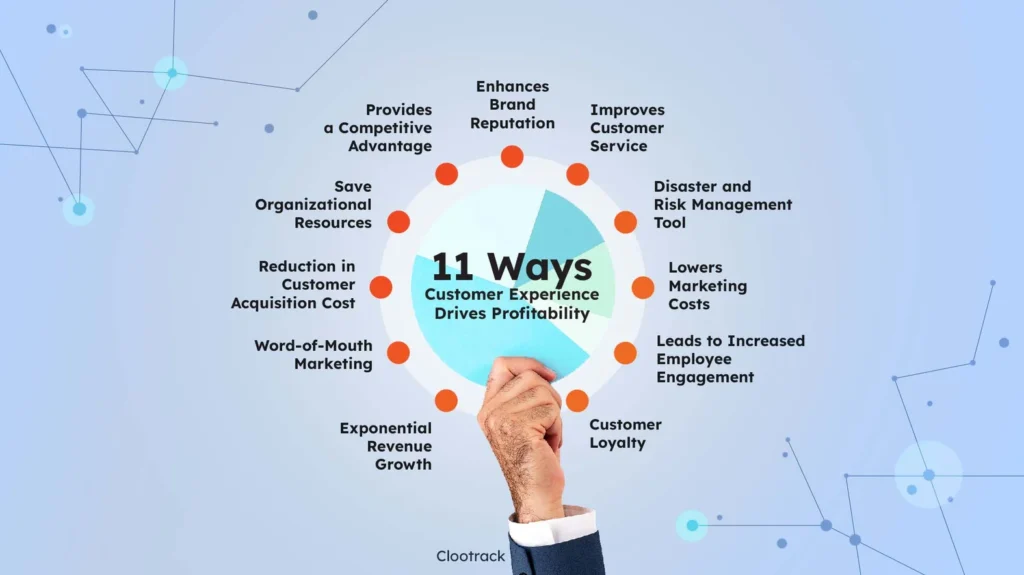
Fix inaccurate listings, broken forms, unclear contact details, and weak calls to action first. Improve pages that already receive search traffic, simplify booking or checkout, and create a review request process.
These changes often produce more value than publishing large amounts of new content before the basics work well.
Build a Sustainable Digital Growth System
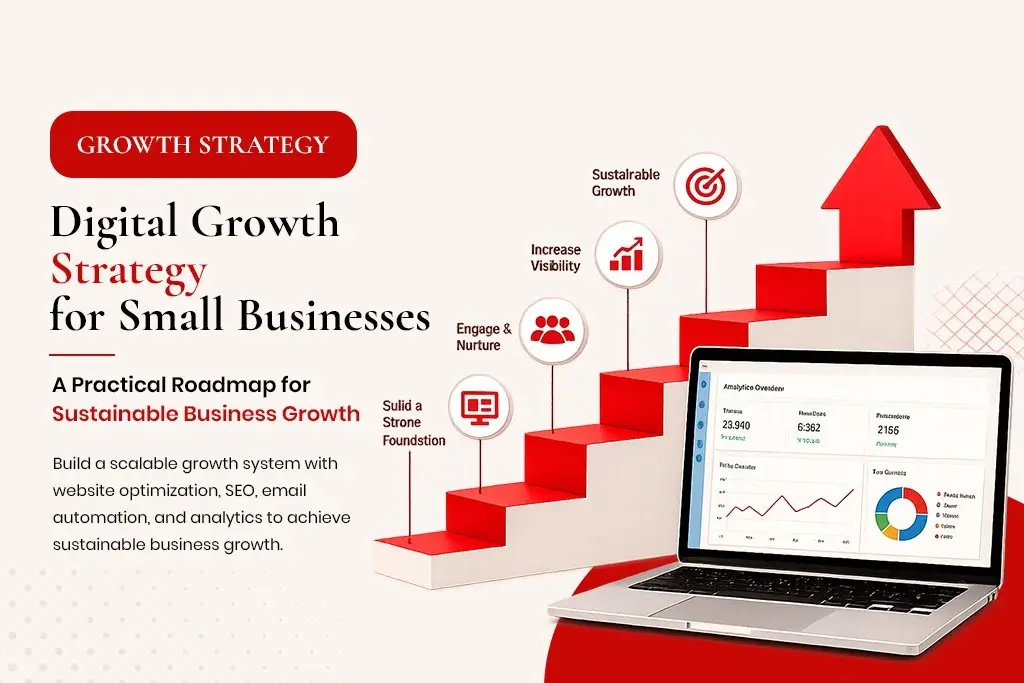
Assign clear ownership for the website, listings, social media, email, analytics, and reputation management. Set a realistic publishing and review calendar instead of making occasional bursts of updates.
Choose quarterly goals tied to leads, sales, retention, visibility, or customer satisfaction. Update your digital assets whenever products, prices, locations, staff, policies, or business goals change.
Conclusion
A strong online presence helps customers discover your business, judge its credibility, contact your team, and complete a purchase. Search visibility captures demand, professional digital assets build trust, and social media and email support lasting relationships.
Online commerce and targeted campaigns create new growth opportunities, while analytics show which efforts contribute to revenue. Security, privacy, and reputation management protect the trust you build.
Your business doesn’t need to dominate every platform. It needs accurate, credible, customer-focused profiles on the channels your audience uses. Audit your current presence, fix the most important customer-facing gaps, and create a steady process for improving visibility and conversion.
FAQs

What is the importance of a strong online presence for a business?
A strong online presence shapes customer opinions before contact, improves discoverability, supports relationships, expands reach, and creates measurable opportunities through digital marketing.
How do local listings turn nearby searches into store visits?
A complete Google Business Profile and accurate directory listings help nearby customers find your address, hours, services, photos, and directions, increasing the likelihood of visits and actions.
What elements contribute to digital credibility and trust online?
A professional website, consistent branding, clear contact details, transparent pricing, reliable reviews, and visible certifications all reduce doubt and establish legitimacy.
How can digital channels expand growth beyond geographic limits?
Digital channels enable reaching new audiences, testing markets, generating leads, and selling beyond the usual service area, while adapting campaigns to changing customer behavior.
What is a practical plan to turn an online presence into a measurable asset?
Start with a digital presence audit, fix critical gaps closest to revenue, and build a sustainable growth system with clear owners, regular publishing, and quarterly goals tied to leads, sales, and satisfaction.